
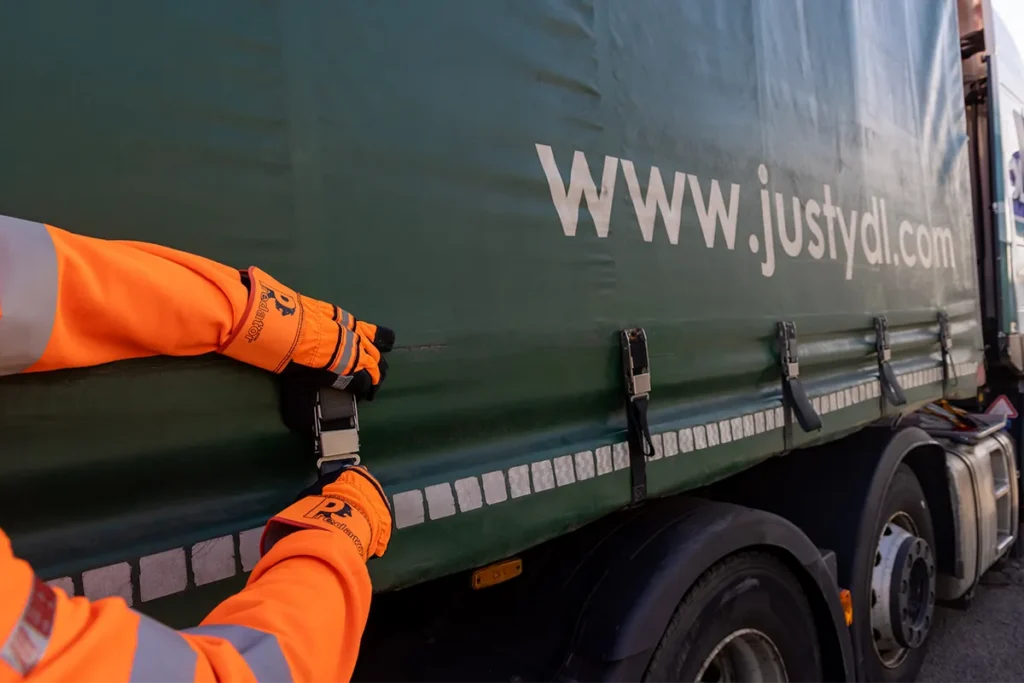
“Rigger gloves” is one of those terms that gets used loosely. Ask five people what makes a good pair and you’ll get five different answers, depending on whether they’re thinking about construction, warehousing, or actual rigging and lifting work. Here’s what actually separates a decent rigger glove from one that’ll fall apart in a month.
What a rigger glove is actually for
The classic rigger glove is a leather-palmed, canvas or cotton-backed glove with a reinforced palm and fingers, built for general handling where grip and abrasion resistance matter more than dexterity. It’s the glove you reach for when you’re moving materials, handling rope or cable, or doing general site work that chews through cheaper gloves fast.
The leather palm is doing most of the work. Split leather is the standard here because it’s abrasion-resistant and holds up to repeated gripping without the cost of full-grain. The backing fabric matters less for protection and more for comfort and breathability, particularly on longer shifts. Our full rigger glove range covers this build across several weights and cuff styles.
Where buyers usually go wrong
The most common mistake is buying on price per pair without factoring in how long a glove actually lasts. A cheap rigger glove that needs replacing every two weeks can end up costing more than a slightly pricier pair that lasts two months, once you add up reorder time and downtime spent without proper PPE on hand.
The second is ignoring cuff length. A short cuff is fine for general handling, but if the job involves reaching into machinery, handling rough-edged materials, or working somewhere debris could get into the wrist, a longer cuff or gauntlet-style rigger is worth the extra cost.
Double palm vs single palm
Double palm rigger gloves add a second layer of leather across the palm and sometimes the fingers, which extends service life on jobs with heavy, repeated wear, like handling scaffolding poles or rough timber. They cost more per pair, but for teams going through gloves quickly, the extra durability often pays for itself. The Power Plus double palm rigger is built for exactly this kind of heavy, repeated wear. Single palm rigger gloves are lighter, more flexible, and fine for general site work that doesn’t involve constant heavy gripping, such as the Signature Tiger Rigger.
Buying rigger gloves for a team
If you’re speccing PPE for a crew rather than yourself, consistency matters as much as quality. Everyone on site should be working to the same protection level, and having one supplier for the whole team makes reordering and sizing far simpler than sourcing from wherever’s cheapest that week.
Our Predator rigger range covers both single and double palm builds, with sizing and bulk pricing set up for exactly this. If your team is doing a mix of rigging and welding work in the same shift, it’s also worth reading our guide to welding gloves, since a rigger glove isn’t a substitute for a heat-rated one. If you want help working out which spec suits your site, get in touch and we’ll talk it through.