
Nitrile Work Gloves: The B2B Buyer’s Guide + Full Range
What Makes a Good Nitrile Work Glove?
Not all nitrile coatings behave the same way, and the right choice depends on what your team is handling and in what conditions.
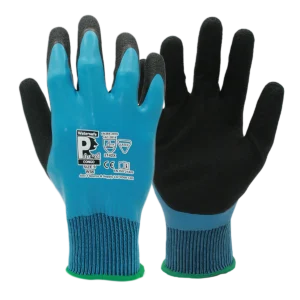
Foam nitrile
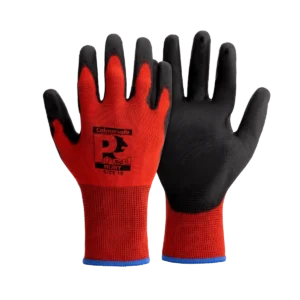
Has an open-cell structure that channels away oil and moisture, giving strong grip in wet or oily conditions without feeling bulky. It's a common choice for general assembly and light engineering work.
Sandy nitrile
Has a textured, granular finish that maximises grip on dry or lightly oiled surfaces. It's the go-to for handling rough materials like block, timber, or metal sheet.
Smooth nitrile
Offers a firm, close-fitting coating that's good for dexterity and light-duty handling, though it grips less well in wet conditions than foam or sandy finishes.
EN388 Ratings Explained
EN388 is the European standard for mechanical risk gloves, and it’s stamped on every pair you buy in bulk. The rating covers abrasion resistance, cut resistance, tear resistance and puncture resistance, shown as a four-digit code (for example, 4121).
For most nitrile work glove applications — assembly, general handling, light engineering — a mid-range EN388 rating is sufficient. Higher abrasion and cut scores matter more when handling sharp edges, glass, or metal swarf. If you’re ordering for a specific task, get in touch for volume pricing and our team can help match the rating to the risk.
Nitrile vs Latex Gloves: Which Is Better?
or most UK industrial use, nitrile wins over latex. Nitrile is allergy-free (no natural rubber latex proteins), more resistant to oils and greases, and generally more durable under repeated use. Latex retains an edge in very fine dexterity tasks, but for mechanical handling, assembly and general trade work, nitrile is now the dominant choice across UK industry — which is why you’ll rarely see latex specified in a modern PPE procurement policy.
Choosing by Colour — Does It Matter?
It's a question we get asked a lot, and the answer is yes — colour in nitrile work gloves isn't just cosmetic, it signals intended use.
Orange Nitrile Gloves
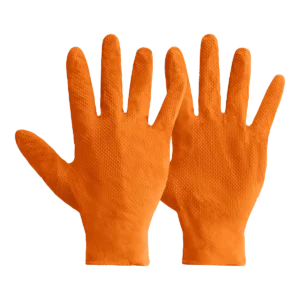
Orange nitrile coatings, like Mercator Ideall Grip Orange, are widely used on construction sites and in utilities work because the high-visibility colour makes gloves easy to spot against dark backgrounds, tools, or ground clutter. If your teams work outdoors or on site, orange nitrile is the industry convention for a reason — it reduces lost gloves and improves quick visual checks during safety walkarounds.
Black Nitrile Gloves
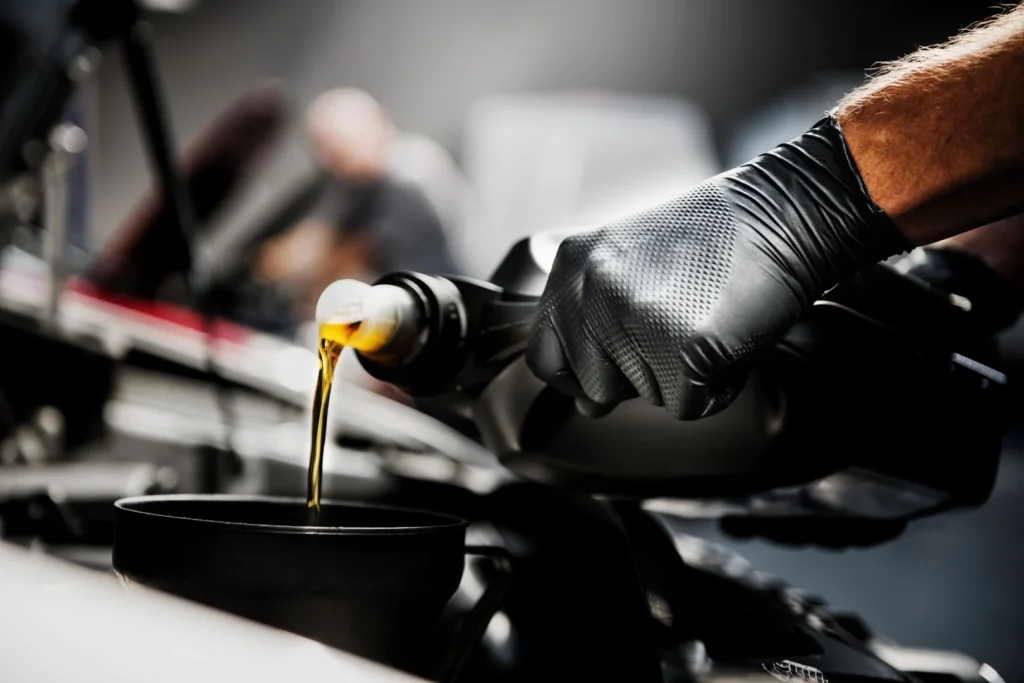
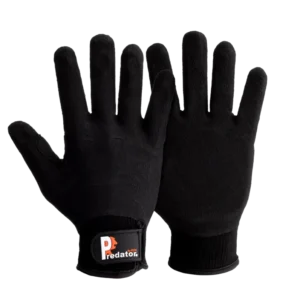
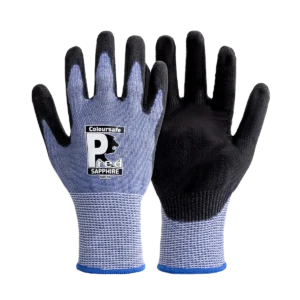
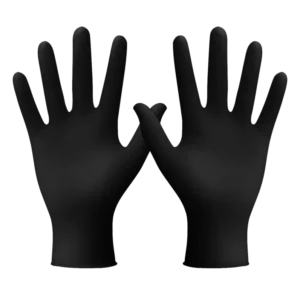
Black nitrile — including Nitrylex Black and several Predator variants — is the standard choice for automotive and engineering work involving grease, oil and general contamination. The dark coating hides staining that would show immediately on a lighter glove, which matters when gloves are handled, inspected, or reused across a shift. It's a practical, no-fuss option for workshop and grease-heavy environments.
Shop Nitrile Work Gloves — Predator & Mercator Range
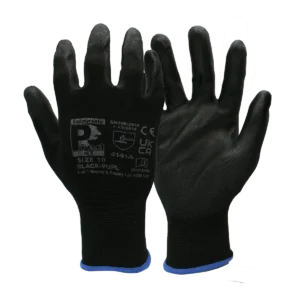
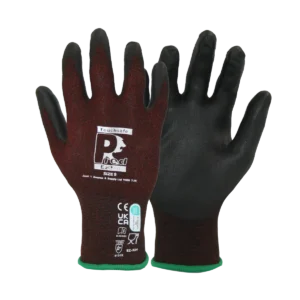
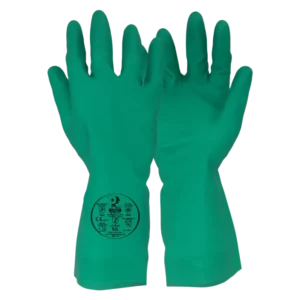
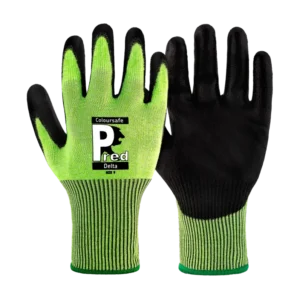
Every glove below is tagged by use case so you can match it to your application quickly, without wading through a generic filter list.
Common Nitrile Work Glove Questions
Nitrile work gloves are designed for mechanical handling, assembly, light engineering and general trade work where oil and grease resistance matters. This is different from disposable nitrile gloves, which are made for medical and laboratory use and aren’t built for repeated mechanical wear. If cut or abrasion resistance is a priority, check the EN388 rating on the product page before ordering.
Nitrile coatings aren’t rated for exposure to strong solvents or certain aggressive chemicals, and they’re not a substitute for specialist gloves in very heavy cut or puncture-risk environments. If your team works with high-heat processes like welding, a dedicated welding glove is the safer choice — [INTERNAL LINK: /welding-gloves/ “see our welding gloves range”] for high-heat applications where nitrile isn’t rated.
Nitrile is the better choice for most industrial applications: it’s allergy-free, more resistant to oils and greases, and generally more durable than latex. Latex retains an advantage for very fine dexterity tasks, but for general work glove use, nitrile is now the standard across UK industry.
Yes. Orange nitrile gloves, like Mercator Ideall Grip Orange, are chosen for high-visibility on site — useful in construction and utilities. Black nitrile, like Nitrylex Black, is preferred for automotive and grease-heavy work because it hides contamination that would show on a lighter glove.
Yes — request a free sample before committing to a bulk order. It’s the easiest way to confirm grip, fit and coating type suit your team’s working conditions.
Yes, just1source supplies trade buyers and distributors at volume. Get in touch for volume pricing to discuss bulk orders or branded packaging options.
Still deciding on gloves? We'll help you choose.
Not sure which nitrile coating or colour fits your job? Request a free sample and test it against your own working conditions, or speak to our team about volume pricing and branded packaging.