
Waterproof Work Gloves
The right spec for your conditions
Not all wet-weather work is the same. What your team handles matters as much as the weather they work in.
Grounds Care & Landscaping
Grip in mud and rain alongside thorn resistance. Textured nitrile coatings and reinforced thumb saddles for tool handling.
Agriculture
Wet conditions plus chemical exposure; fertilisers, pesticides, biological material. Requires EN 374 liquid resistance rating alongside waterproofing.
Construction & utilities
Durability and impact protection matter as much as waterproofing. Reinforced palms, cut resistance, and thick outer materials.
Cold & winter work
Cold, wet hands lose dexterity fast, a safety problem, not just a comfort one. Insulation plus waterproofing for low-temperature performance.
Waterproof gloves for trade buyers
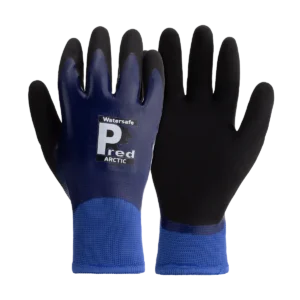
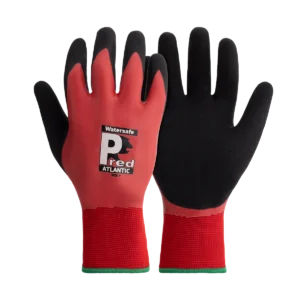
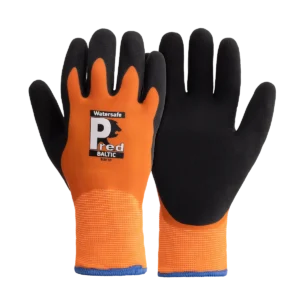
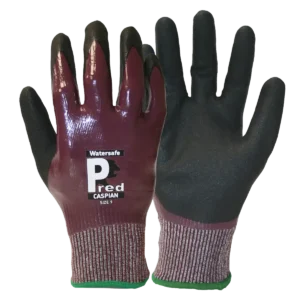
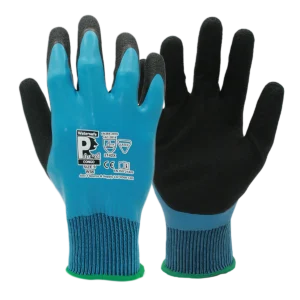
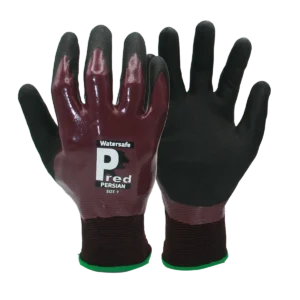
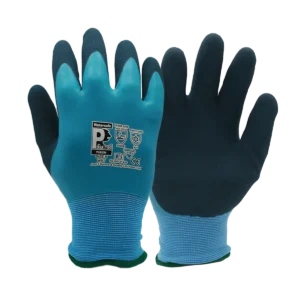
Designed for grip in wet conditions with durable outer materials built for prolonged outdoor use. Covers grounds care, agriculture, and general outdoor maintenance.
Reading the spec sheet
The product name tells you less than the performance code. Here's what actually matters when evaluating waterproof work gloves for procurement.
True waterproof vs water-resistant
Water-resistant repels light moisture for a period. Waterproof maintains a barrier under sustained exposure. For a full outdoor shift in British weather, you need waterproof, not water-resistant. Look for membrane construction or a verified EN 374 rating.
Breathability and extended wear
Fully waterproof gloves can trap sweat over long shifts. Membrane-lined gloves allow moisture vapour to escape while blocking liquid ingress, the practical choice over fully coated options for all-day wear.
Grip performance when wet
Nitrile foam coatings give good wet grip with flexibility. Sandy-finish nitrile suits fine-object handling. Latex gives high grip with less chemical resistance. PVC is durable but stiffer, suited to heavier handling tasks.
Relevant EN standards
Two standards matter most for waterproof work gloves in professional environments. EN 374 Liquid & chemical penetration. EN 374-2 is the minimum for genuine waterproofing. EN 388 Mechanical protection — abrasion, cut, tear, puncture. Essential for outdoor trades.
Waterproof Work Gloves Frequently Asked Questions
Water-resistant gloves repel light moisture for a limited period, while waterproof gloves maintain a barrier under sustained exposure. For a full outdoor shift in British weather, you need a genuinely waterproof glove — look for membrane construction or a verified EN 374 rating rather than a general water-resistant claim.
EN 374 covers liquid and chemical penetration, with EN 374-2 as the minimum standard for genuine waterproofing. EN 388 covers mechanical protection — abrasion, cut, tear, and puncture resistance — which is essential for outdoor trades handling tools and materials alongside wet conditions.
Fully coated waterproof gloves can trap sweat over long shifts. Membrane-lined gloves are the practical choice for all-day wear, as they allow moisture vapour to escape while still blocking liquid ingress.
Nitrile foam coatings give good wet grip with flexibility, and a sandy-finish nitrile suits fine-object handling. Latex offers high grip but less chemical resistance. PVC is more durable but stiffer, making it better suited to heavier handling tasks.
Ready to find the right glove for your team?
Free samples available. Minimum order quantities designed around trade buyers, not retail.