
Comprehensive Guide to Choosing the Right Safety Gloves
Learn about materials, sizing, and EN standards to ensure maximum protection for your workforce.
Coatings & Materials
Selecting the right coating is crucial for grip, durability, and chemical resistance. Here is a breakdown of the most common materials used in modern safety gloves.

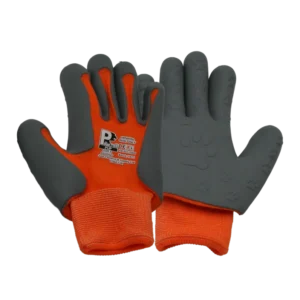
Nitrile Coating
Synthetic rubber that offers excellent resistance to punctures, tears, oils, and chemicals. Perfect for automotive and mechanical work where dexterity is key.

Latex Coating
Natural rubber providing extreme elasticity and grip. While it offers great protection against alcohols and some ketones, it can cause allergic reactions in some users.

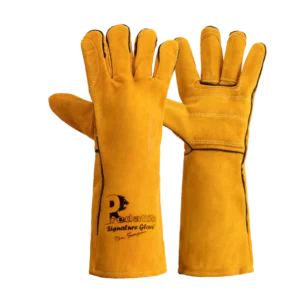
Leather
The traditional choice for heavy-duty work. Offers natural heat resistance and durability against abrasion. Ideal for welding, construction, and lumber handling.
Sizing Guide
A proper fit is essential not just for comfort, but for safety. Loose gloves can get caught in machinery, while tight gloves restrict movement and cause fatigue.
How to measure
- Measure the circumference of your dominant hand just below the knuckles.
- Exclude the thumb from measurement.
- Compare your measurement in inches to the chart.
| Size Code | Label | Hand Circ. (in) |
|---|---|---|
| 7 | Small (S) | 7" - 7.5" |
| 8 | Medium (M) | 8" - 8.5" |
| 9 | Large (L) | 9" - 9.5" |
| 10 | XL | 10" - 10.5" |
| 11 | XXL | 11" + |
EN Standards
EN 388:2016 Mechanical Hazards
The EN 388 standard is the primary European standard for protective gloves against mechanical risks. It uses a rating system to help users select the right level of protection.
Suggested Products
Need Expert Advice?
Not sure which glove fits your specific hazard? Our team is here to help.